
Blog
AWS re:Invent 2025: New momentum for FinOps and cost management in AWS

Expert Consultant
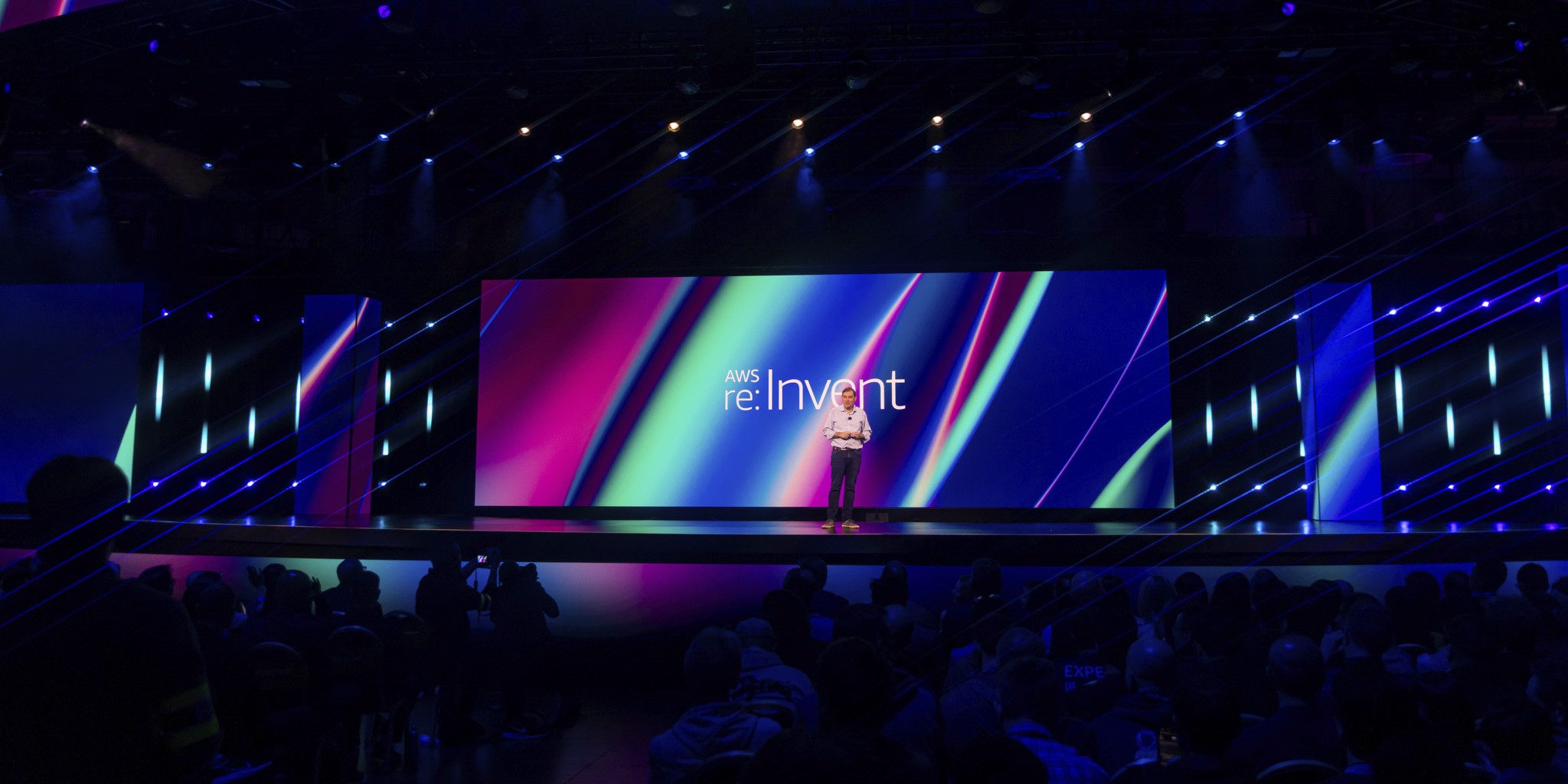
AWS re:Invent 2025 signifies a significant leap in maturity in the field of FinOps and cost management. AWS is clearly shifting its focus away from purely retrospective reporting toward operational control, intelligent analysis, automation, and robust planning. For organizations, this means that cloud costs can not only be made transparent, but also actively influenced and strategically controlled – provided the new functions are specifically integrated into existing processes.
Standardized cost data as a foundation: FOCUS 1.2
One of the most important foundations for modern FinOps is support for the open standard FOCUS 1.2 (FinOps Open Cost and Usage Specification). AWS now provides cost and usage data in a standardized format specifically designed for FinOps use cases. For organizations, this means significantly less effort in data preparation and greater comparability – both within AWS organizations and across cloud boundaries. Invoice reconciliation becomes easier since invoice IDs are included directly, and commitments such as reserved capacity or savings plans can be evaluated more transparently.
Improved cost transparency thanks to new billing and cost dashboards
AWS has expanded its billing and cost management with new native dashboards that visualize cost developments, trends, and deviations in a much clearer way. Organizations can share cost information with departments, management, or controlling more easily, without additional tools or manual exports. The dashboards create a shared view of costs and promote cost accountability across teams and departments.
Multi-source billing: Understanding costs across multiple payers
With Multi-Source Billing View, AWS addresses a typical challenge faced by larger organizations: Costs are often spread across multiple payer accounts or even multiple AWS organizations. The new feature allows costs from multiple sources to be consolidated into a single view. This makes it much easier to track overall budgets, group-wide trends, or cost shifts.
AI-powered analysis, anomaly detection, and root cause analysis with Amazon Q
A core topic at re:Invent 2025 is the use of artificial intelligence in the FinOps environment. Amazon Q enables organizations to perform cost analyses in natural language. In addition to classic questions about cost developments, Amazon Q also supports anamoly detection and root cause analyses, for example in the event of unexpected cost increases. Instead of analyzing lengthy reports, teams receive context-specific explanations and actionable advice.
Improved forecasts and explainable predictions in Cost Explorer
AWS Cost Explorer has been expanded to include forecasts of up to 18 months, and also provides explanatory AI insights into forecasts and deviations. This makes planning much easier for organizations. Cloud costs can be included in budget and investment decisions at an early stage, while discrepancies between forecast and actual costs can be identified and addressed more quickly.
Database Savings Plans: Flexible commitment for database workloads
With Database Savings Plans, AWS is introducing a new commitment model specifically for database compute. Organizations commit to a fixed hourly expenditure amount and receive significant discounts compared to on-demand prices – regardless of which supported database services are used. These include Amazon RDS, Aurora, DynamoDB, and ElastiCache, among others. The huge advantage is in flexibility: Architecture or region changes are still possible, while long-term savings are also achieved.
Savings Plan sharing and fair cost distribution in organizations
AWS has further improved control and transparency when sharing Savings Plans. Organizations can better understand which accounts or teams benefit from commitments and integrate this information into internal cost allocation or budget processes. This reduces conflicts between central purchasing and decentralized use and allows commitments to be used more strategically.
Automated optimization and idle detection with Compute Optimizer
AWS Compute Optimizer now provides greater support for automated optimization measures. This includes identifying and cleaning up unused EBS volumes and detecting idle NAT gateways, which incur significant, often overlooked costs in many environments. This reduces manual effort for organizations while allowing systematic implementation of continuous savings.
Cost Efficiency Metric: Making FinOps success measurable
AWS’s new Cost Efficiency Metric provides a key performance indicator that shows the proportion of costs that can be optimized. Organizations can use it to objectively measure progress in FinOps maturity and prioritize optimization initiatives. The metric supports continuous improvement rather than one-off cost-cutting measures.
Next logical steps for organizations
After re:Invent 2025, organizations should first ensure that a clear cost basis exists. This includes consistent tagging and clear cost categories, among other things. Based on this, FinOps processes should be established that include regular cost reviews, forecast comparisons, anomaly analyses, and clear decision-making processes for optimizations and commitments. Savings Plans, and Database Savings Plans in particular, should be used specifically for stable base loads and reviewed regularly, while automation is introduced gradually and in a controlled manner.
How Skaylink supports you during implementation
An experienced FinOps and AWS partner will help you properly classify the multitude of new features and translate them into a realistic roadmap. Our experience is particularly valuable when it comes to commitments, anomaly detection, cost attribution, and automation, helping to avoid risks and realistically assess potential savings. In addition, Skaylink supports the establishment of sustainable FinOps governance, the integration of IT and finance, and continuous development along the FinOps maturity scale.
AWS re:Invent 2025 clearly demonstrates that FinOps in AWS today goes far beyond cost reporting. With standardized data, AI-powered analysis and anomaly detection, flexible Savings Plans, improved attribution, and automated optimization, FinOps becomes an operational control tool. Organizations that introduce these functions in a structured manner and embed them in clear processes achieve transparency, reliable planning, and sustainable cost efficiency in the cloud.
For anyone who would like to gain a deeper insight into the individual announcements made at AWS re:Invent 2025 or understand them in their original context, we recommend the following additional resources::
- AWS Cloud Financial Management – re:Invent 2025 Launches
Official overview of all innovations in billing, cost management, and FinOps - FOCUS – FinOps Open Cost and Usage Specification (v1.2)
Background on the open standard for structured and comparable cloud cost data
AWS Billing and Cost Management Documentation
Details on new dashboards, multi-source billing views, and forecasts in Cost Explorer - Database Savings Plans
Overview of functionality, supported services, and differences from Compute Savings Plans - AWS Compute Optimizer
Information on automated optimization recommendations and cost-saving potential

- White papers

- Blog

- Blog